When Uniforms Evolve: Sequis ESG Upcycling Journey
overview
When Sequis introduced their new employee uniforms, they wanted the transition to reflect more than just a wardrobe change. As part of their ESG commitment, Sequis partnered with The New Factory to upcycle their retired uniforms into meaningful products.
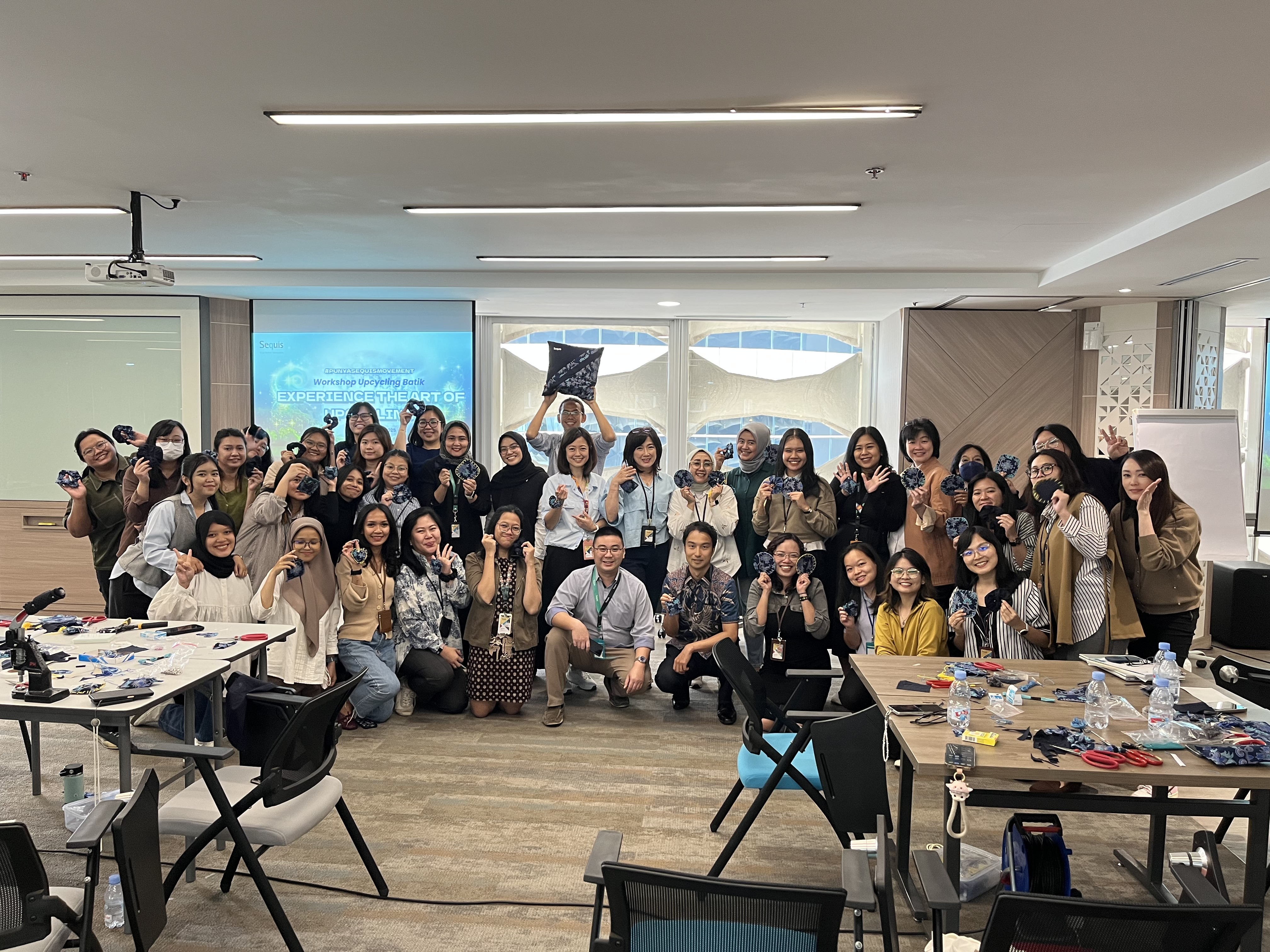
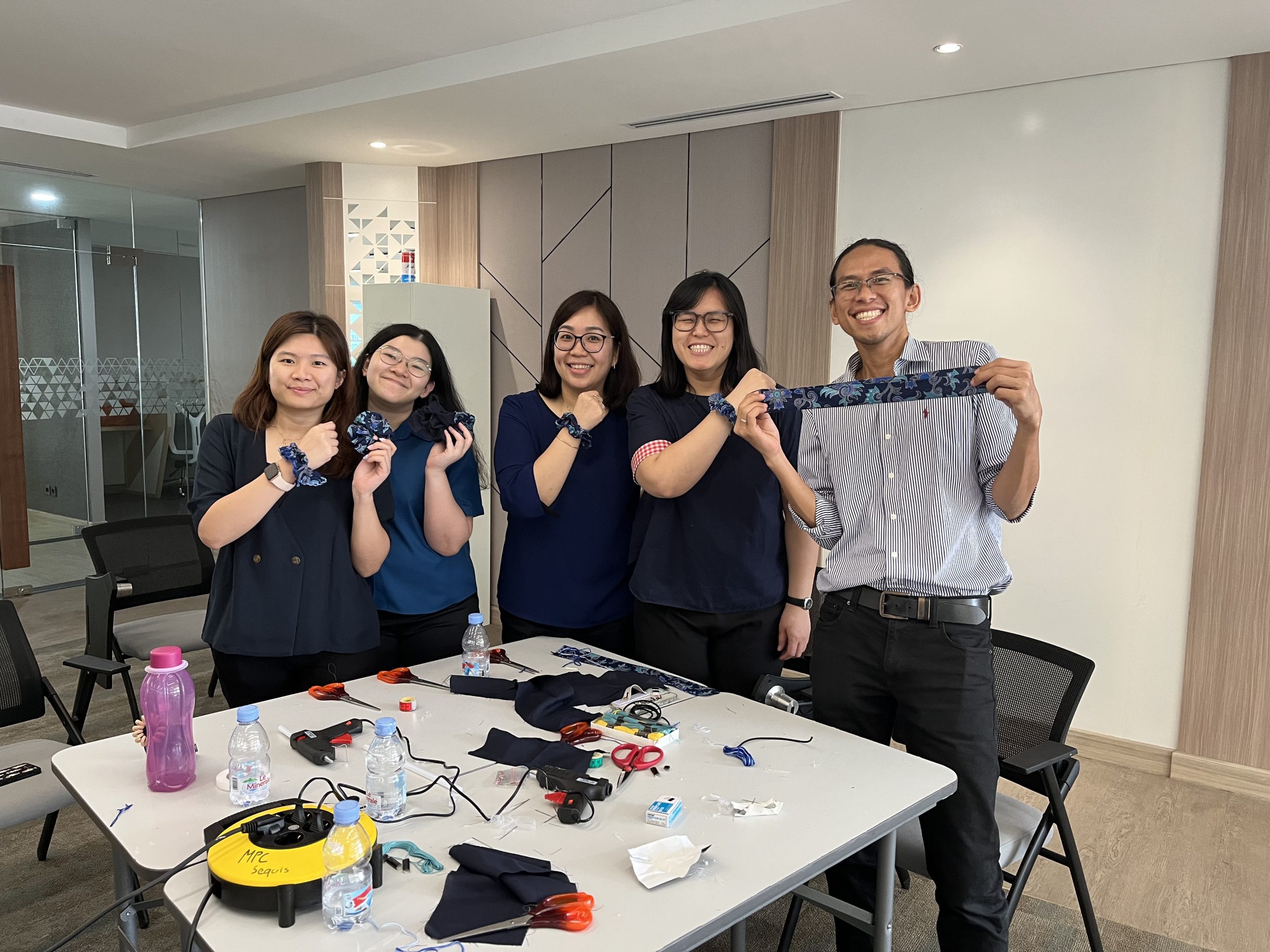
The initiative also included an internal upcycling workshop and a dedicated dropbox system placed in the office to collect old uniforms responsibly — turning the entire process into a participatory sustainability effort.
challenge
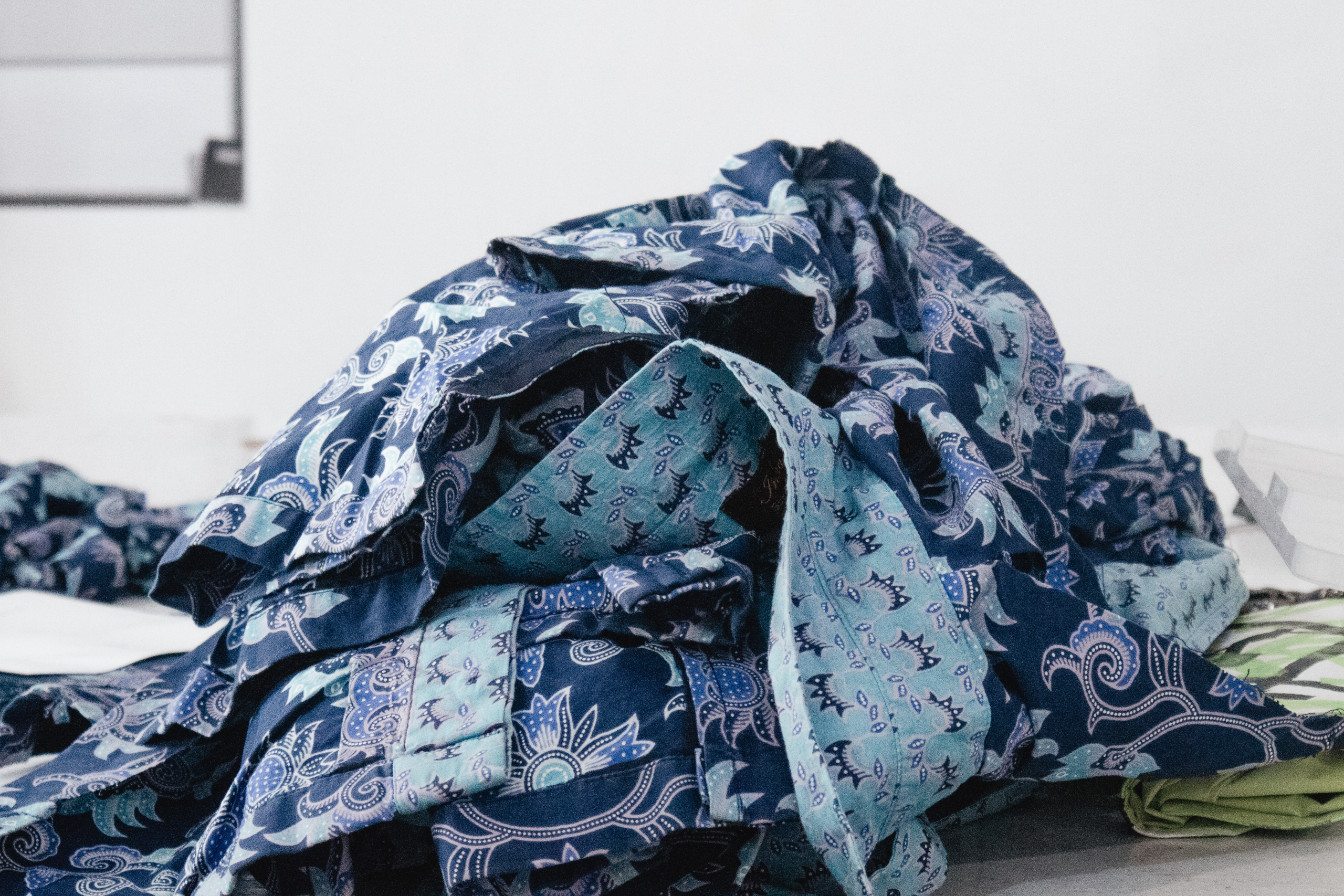
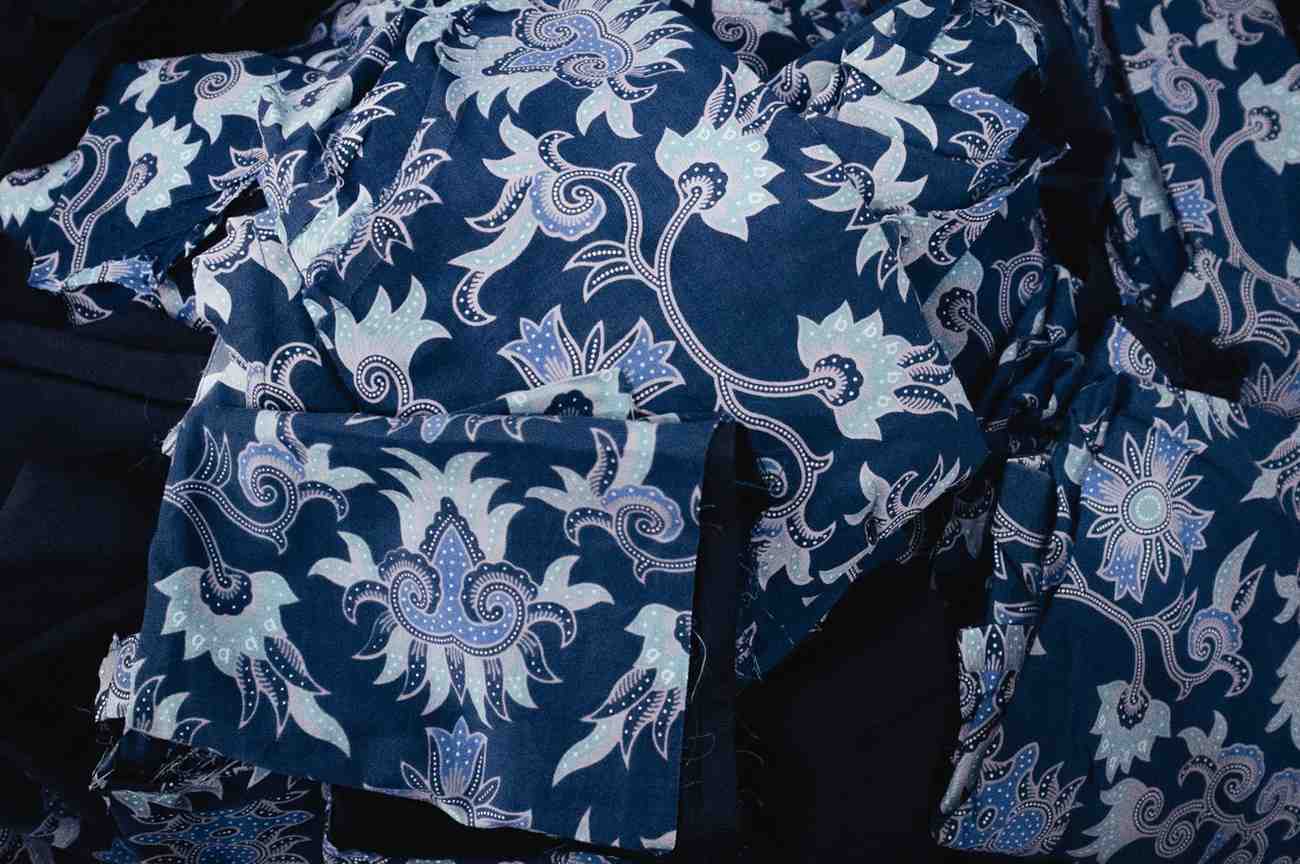
Replacing uniforms meant Sequis was left with a large volume of old garments that could no longer be worn. These uniforms came in different fabrics, with stitched logos and varying constructions, making them difficult to repurpose through conventional recycling.
At the same time, Sequis wanted employees to be involved and aware of the sustainability effort, not just the end result. The challenge was to transform these uniforms meaningfully while creating an engaging, responsible collection process.
solutions
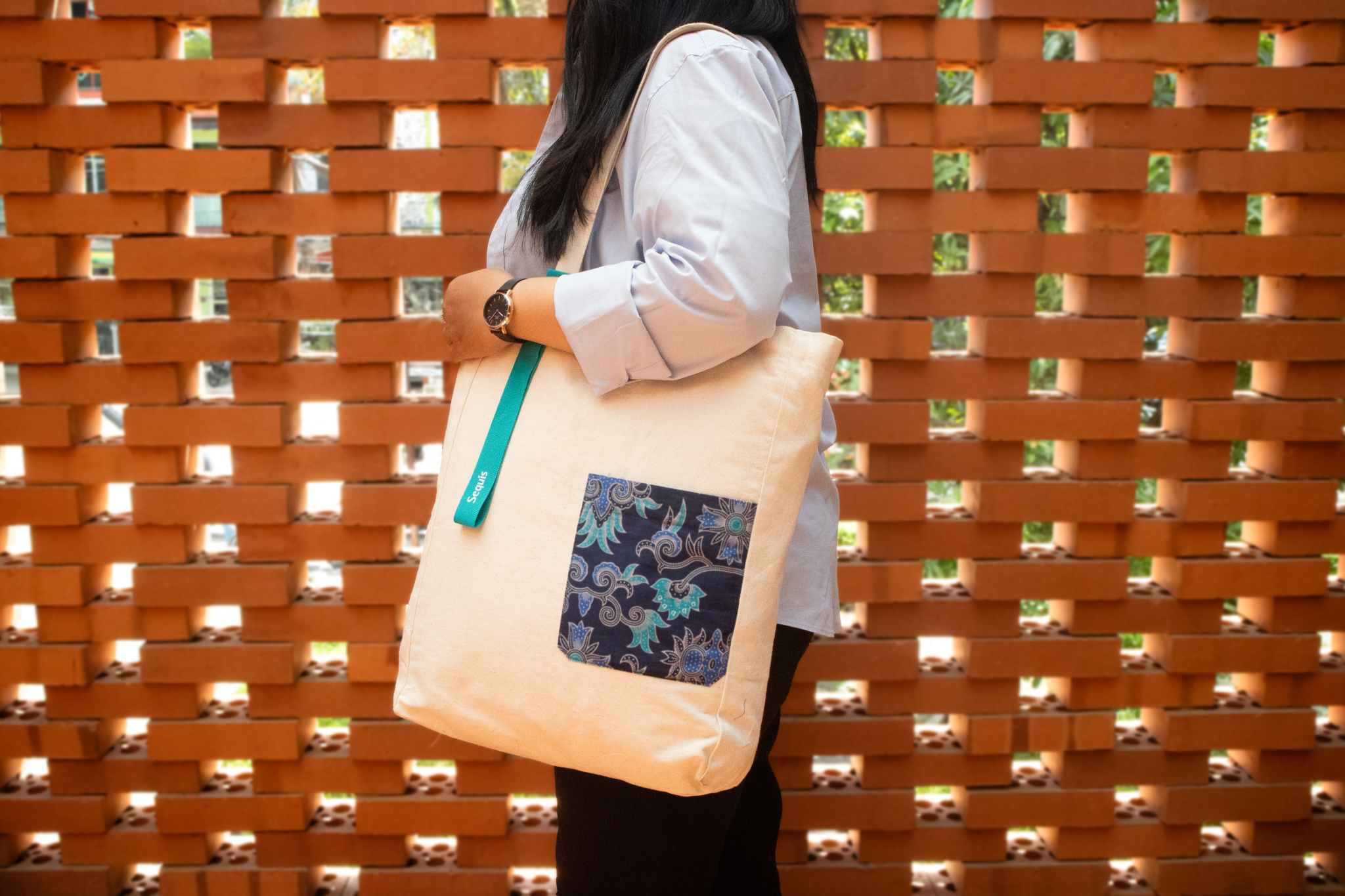
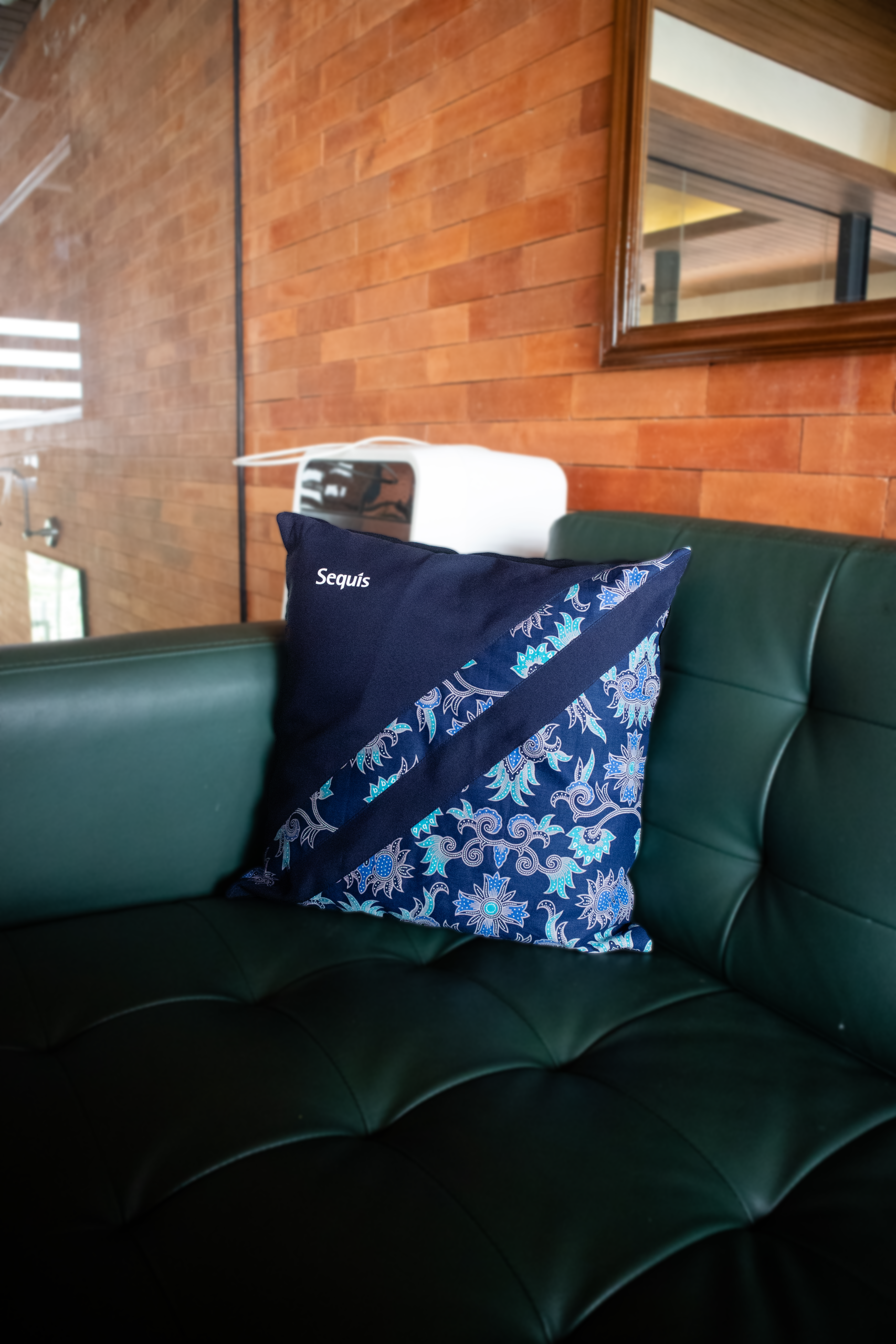
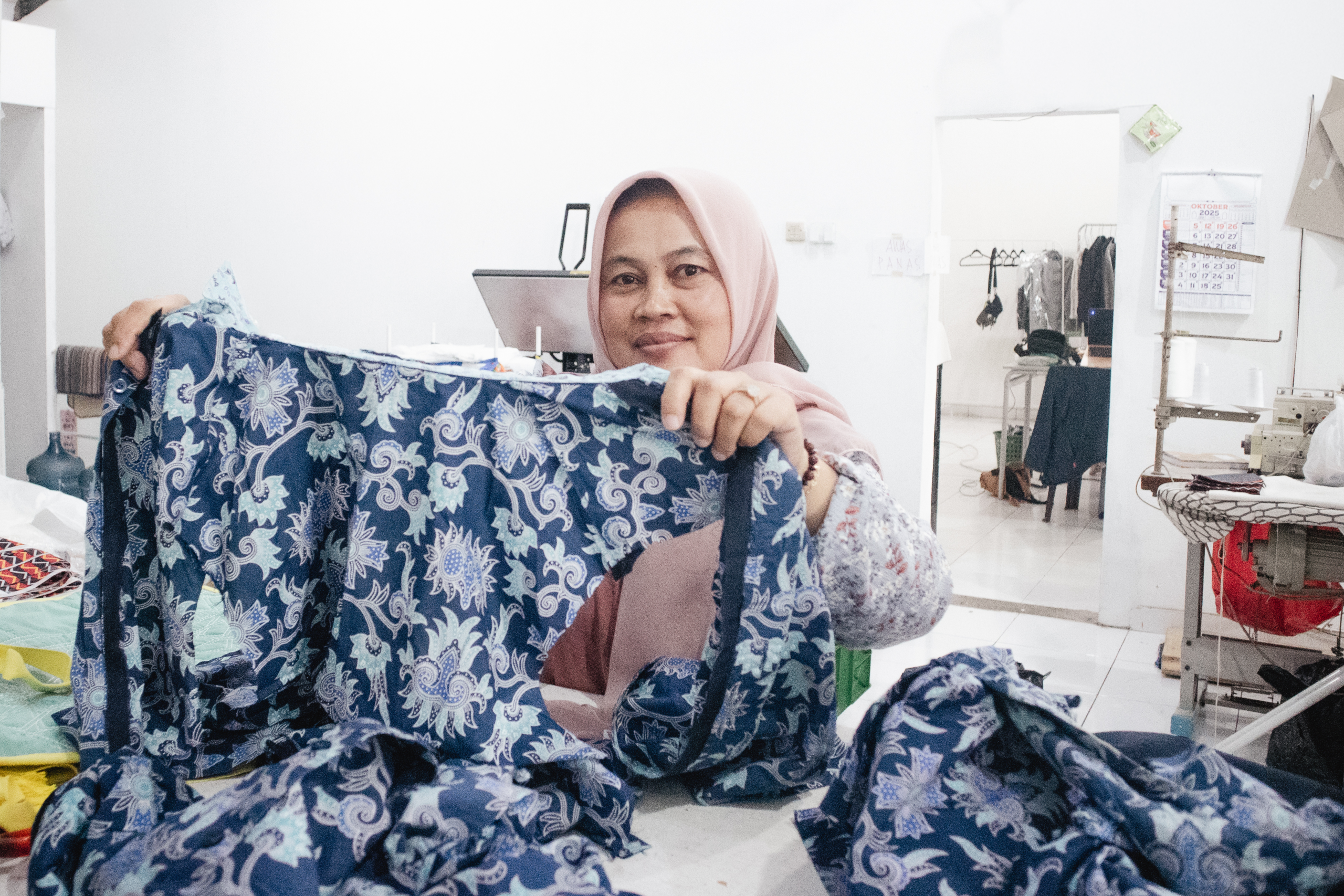
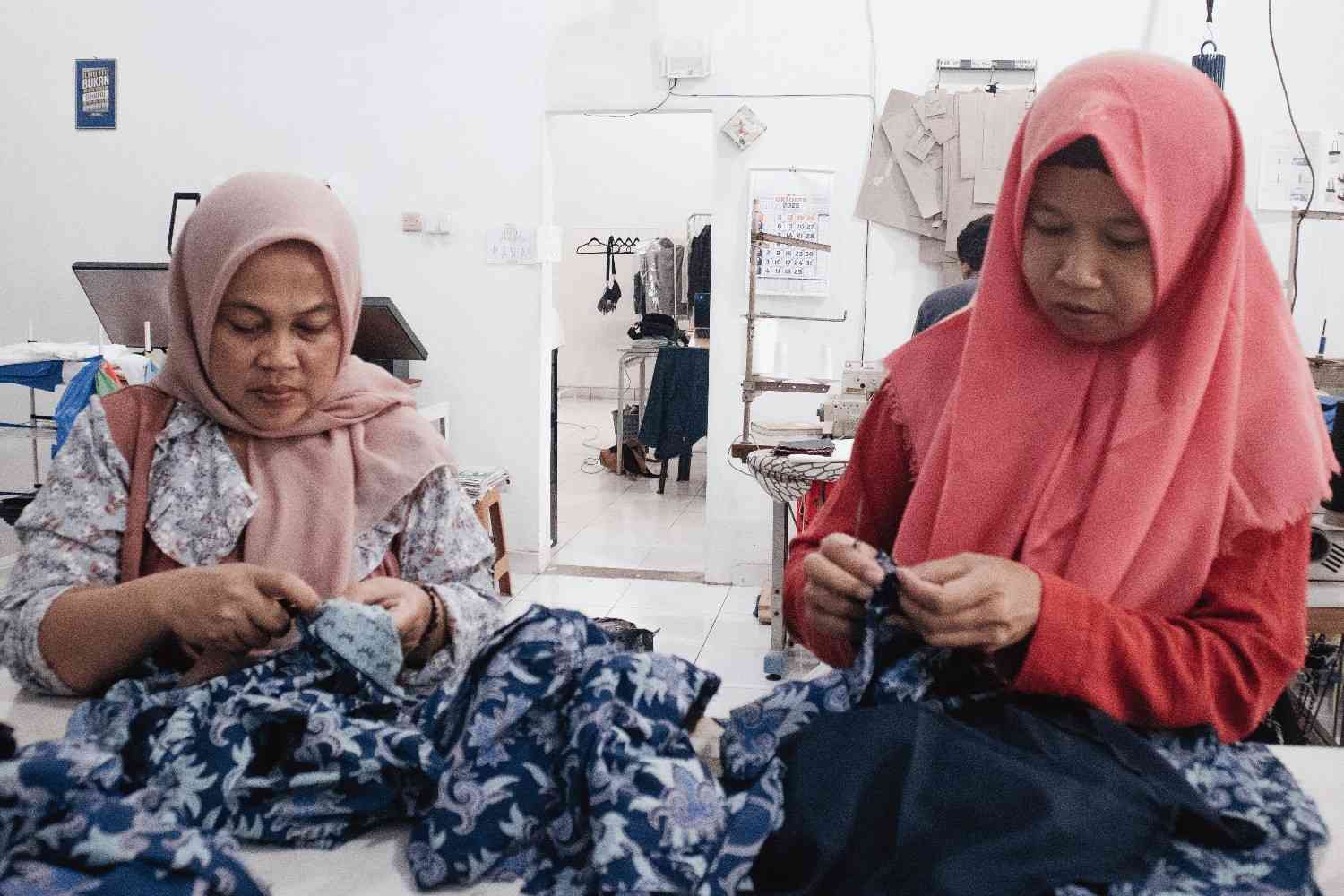
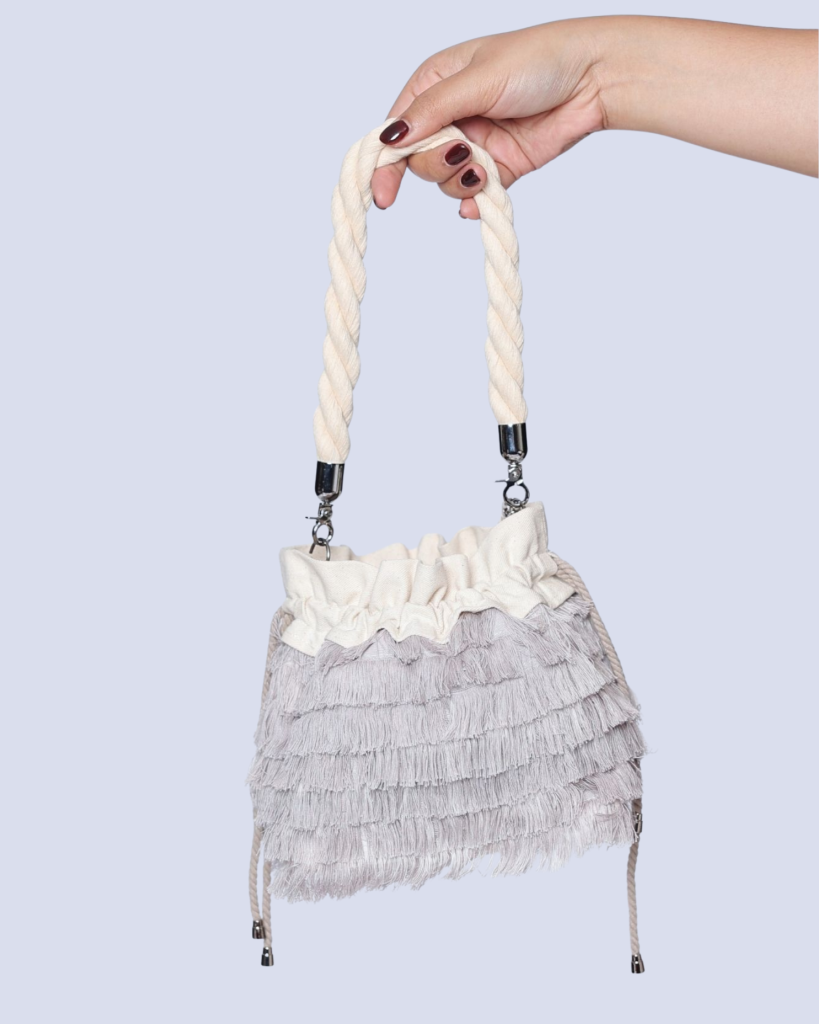
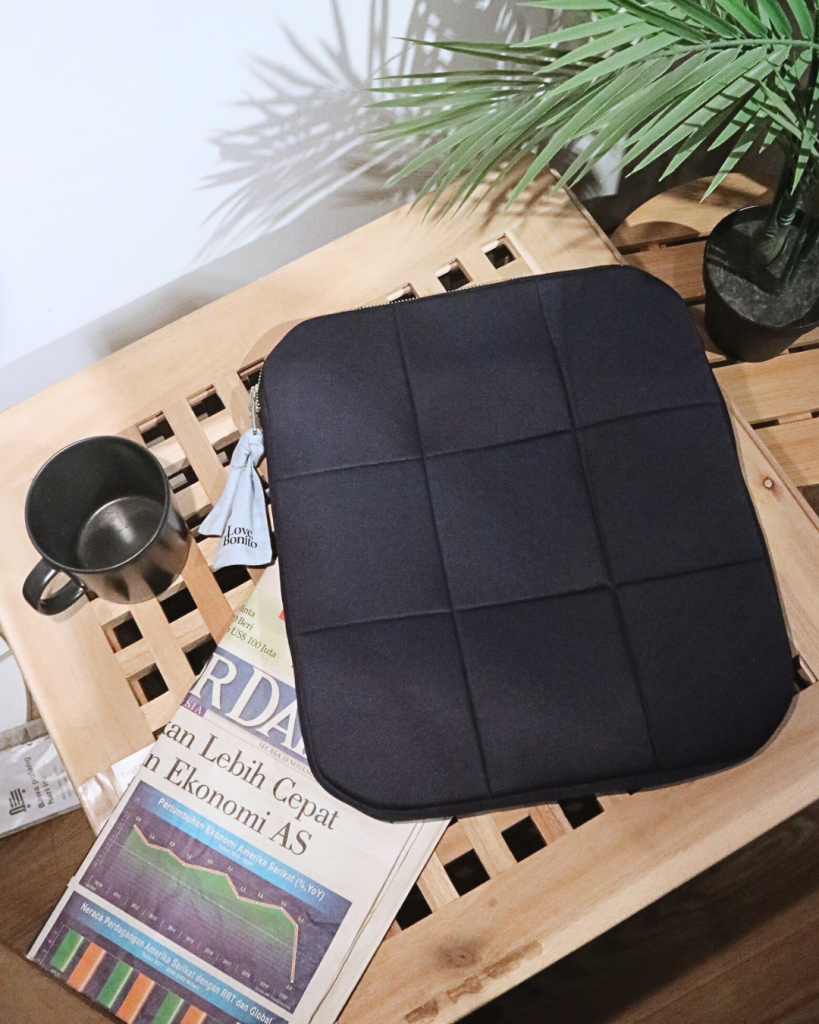
The New Factory deconstructed and reworked the retired uniforms into functional upcycled merchandise, giving the materials a second life that aligns with Sequis’ ESG values.
To support the initiative, we also conducted an internal workshop that introduced employees to upcycling practices and set up a uniform dropbox system within the office, ensuring the collection process was organized, transparent, and accessible. Through this approach, Sequis turned an end-of-life material into a collective and impactful sustainability action.
Through this collaboration, Sequis took a concrete step in bringing their ESG values to life by upcycling retired uniforms into new, functional products. The initiative also included an internal workshop to involve employees in the process and a dropbox system in the office to collect old uniforms responsibly.
This project shows that sustainability can be practical and participatory, encouraging other organizations to rethink how they handle end-of-life materials and embrace circularity in their operations.